


From Temples to Heritage Interiors: The Journey of Pichwai Art
Discover how traditional Pichwai art evolved from sacred temple backdrops into a global symbol of luxury heritage interiors. Explore the timeless beauty, craftsmanship, and cultural richness that make handmade Pichwai paintings admired by collectors and designers worldwide.
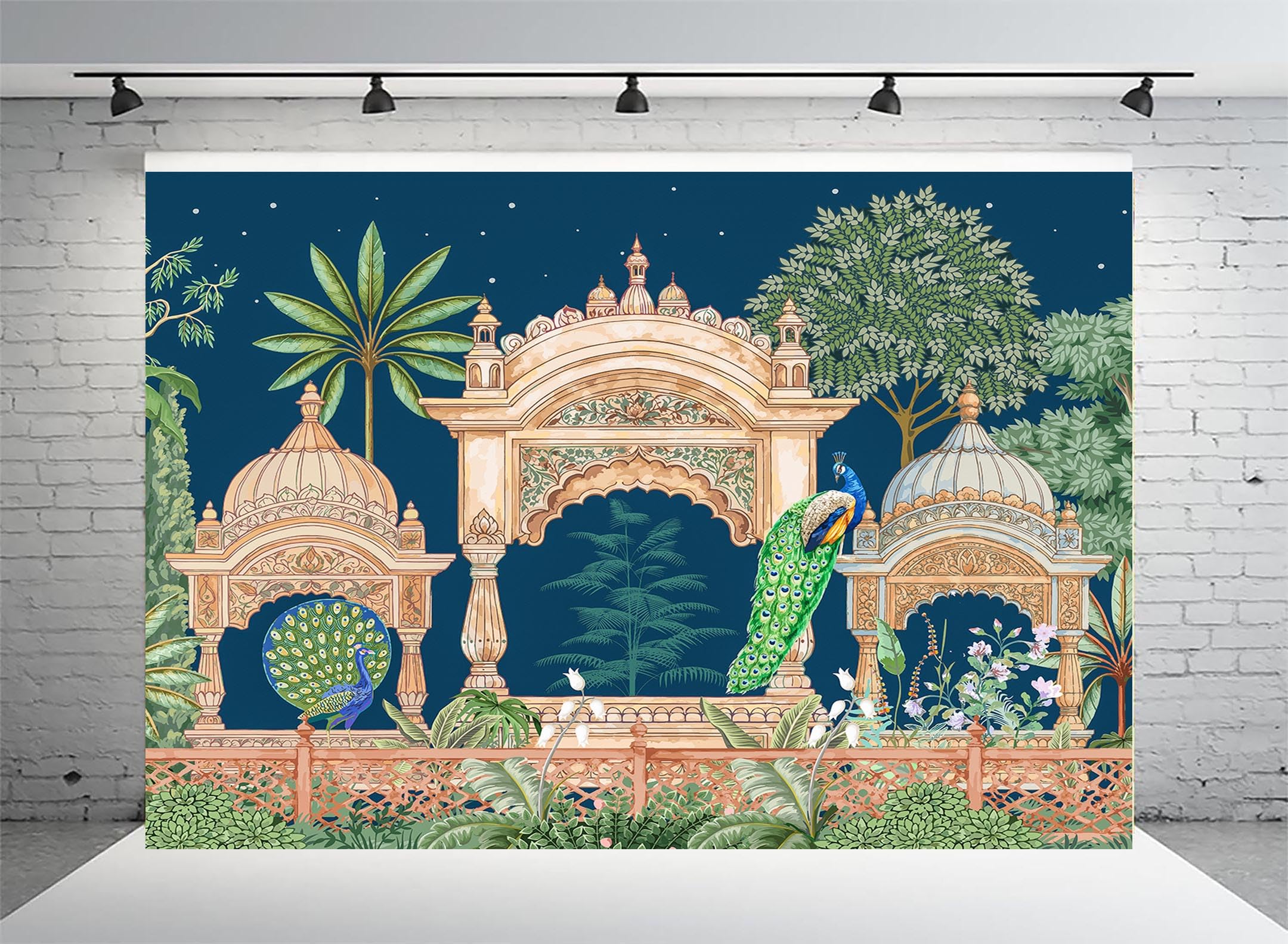
For centuries, Pichwai paintings were created as sacred backdrops inside temples dedicated to Shrinathji. Rich in devotion, symbolism, and handmade detail, these artworks were never meant to be ordinary decoration. Every lotus, cow, peacock, and monsoon cloud carried spiritual meaning and reflected a living artistic tradition rooted in Rajasthan.
Today, the journey of Pichwai art has moved far beyond temple walls.
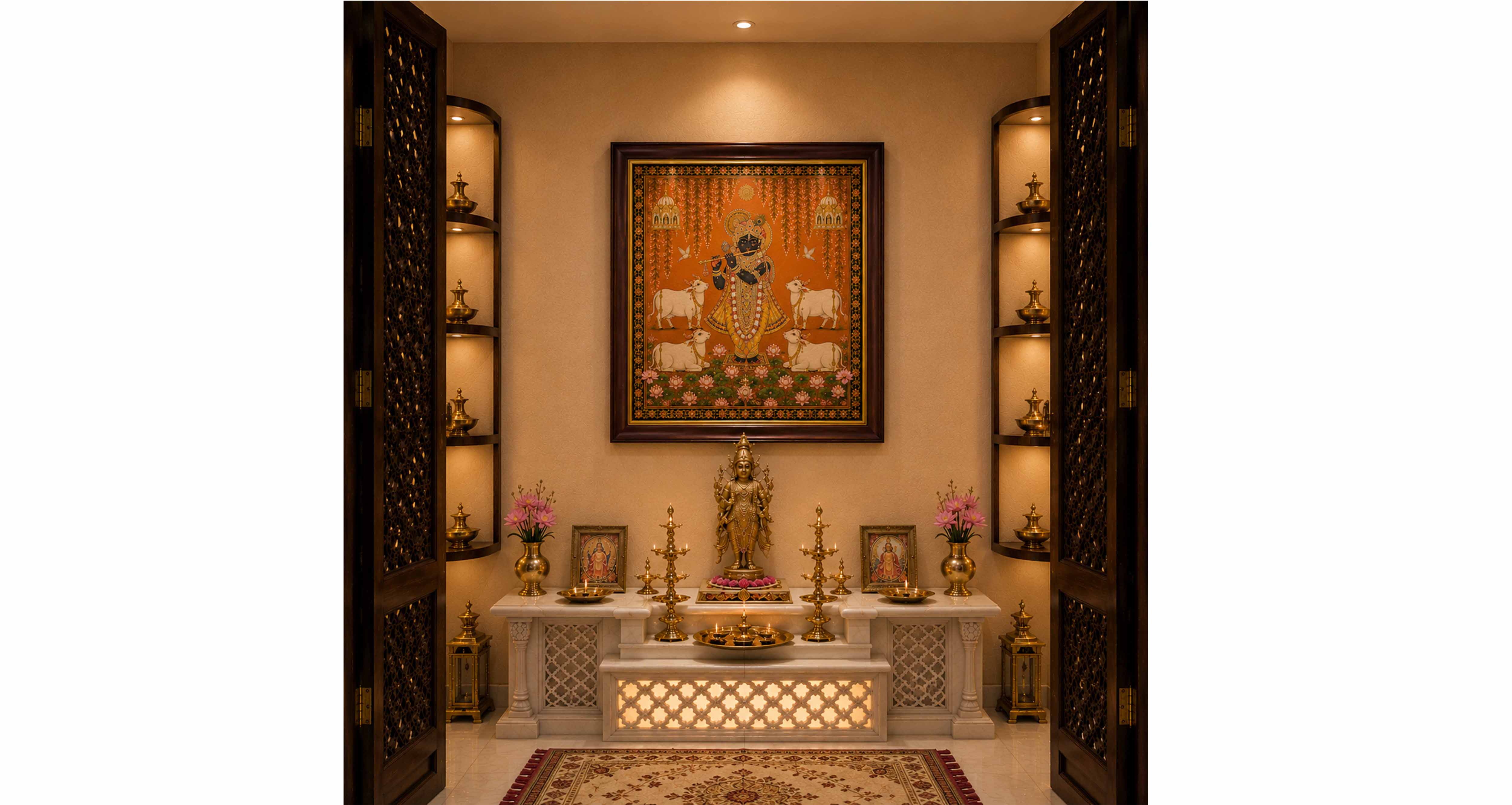
Across luxury homes, heritage properties, boutique hotels, meditation spaces, and private art collections around the world, Pichwai has emerged as one of India’s most admired forms of handmade heritage art. What began as devotional temple painting is now celebrated globally for its timeless beauty, craftsmanship, and calming presence.
The Sacred Origins of Pichwai Art
The word “Pichwai” comes from the Sanskrit words pichh (back) and wai (hanging), meaning a textile or painting hung behind the deity. Traditionally, Pichwai paintings were created for temples of Shrinathji, especially in Nathdwara, Rajasthan.
These paintings depicted:
lotus ponds,
cows,
peacocks,
festive celebrations,
changing seasons,
and scenes from the life of Lord Krishna.
Unlike mass-produced decorative art, traditional Pichwai was entirely handmade by skilled artists who spent weeks or even months completing a single work. The detailing, mineral colors, gold work, and symbolic compositions gave every painting a spiritual depth that could be felt immediately upon entering the space.
How Pichwai Entered Modern Interiors
Over time, art collectors and interior designers began recognizing that Pichwai carried something rare — a sense of stillness, heritage, and emotional warmth that modern decor often lacks.
As global interiors became increasingly minimal and machine-made, handmade Indian heritage art started gaining international attention. Pichwai naturally became part of this movement because it combines:
fine craftsmanship,
storytelling,
luxury aesthetics,
and spiritual elegance.
Today, Pichwai paintings are no longer limited to prayer rooms or temples.
They are now seen in:
luxury living rooms,
royal hallways,
heritage hotels,
meditation corners,
boutique resorts,
art galleries,
and contemporary homes across the world.
Collectors often choose Pichwai not only for religious reasons, but because the artwork creates a peaceful atmosphere and adds cultural depth to interiors.
Why Designers and Collectors Love Pichwai
One of the biggest reasons behind the global rise of Pichwai art is its ability to blend tradition with luxury.
A handcrafted Pichwai instantly transforms a wall into a statement of culture and refinement. Whether it is a large peacock composition, a lotus-themed artwork, or a subtle monochrome Pichwai, the painting brings richness without feeling excessive.
Interior designers especially appreciate:
intricate handmade detailing,
balanced compositions,
timeless color palettes,
and the emotional character of the artwork.
Unlike trend-based decor pieces that lose relevance over time, authentic Pichwai paintings carry a timeless appeal. They feel equally powerful in heritage interiors as well as modern luxury spaces.
Pichwai Beyond Religion
Although deeply connected to devotion, Pichwai is also admired as a sophisticated art form.
Many contemporary collectors choose non-devotional themes such as:
peacocks,
lotus gardens,
cows,
trees,
monsoon scenes,
and nature-inspired compositions.
These artworks preserve the essence of Pichwai while making it suitable for a wider range of interiors.
This evolution has helped Pichwai reach audiences far beyond India. International collectors are increasingly drawn to the authenticity, handwork, and meditative quality of the paintings. In a fast-moving digital world, handmade art with soul feels more valuable than ever.
The Importance of Handmade Authenticity
As demand for Pichwai grows, handmade authenticity becomes even more important.
True Pichwai is not created quickly by machines or digital printing processes. It is built slowly through layers of sketching, detailing, brushwork, and artistic discipline developed over generations.
Every authentic painting carries:
the touch of the artist,
traditional techniques,
cultural memory,
and countless hours of craftsmanship.
That human presence is what gives original Pichwai its emotional and artistic power.
Collectors today are increasingly seeking artworks that feel genuine, meaningful, and lasting — and this is exactly where handmade Pichwai stands apart.
A Timeless Journey Continues
The journey of Pichwai art from temples to heritage interiors is not a departure from tradition — it is an expansion of it.
What once adorned sacred temple walls now brings beauty, calmness, and cultural richness into homes and spaces across the world. Yet the soul of the art remains unchanged.
Pichwai continues to tell stories through color, devotion, craftsmanship, and timeless Indian artistry.
And perhaps that is why this centuries-old tradition still feels so alive today. Thank You. 🌺
Arun Sharma
Pichwai Painting Artist
Contact- +91 72969 76088