


The Psychological Benefits of Living with Spiritual Art: How Sacred Imagery Transforms the Mind, Home, and Human Experience
Discover the profound psychological benefits of spiritual art and how sacred imagery can foster inner peace, emotional balance, mindfulness, and a deeper connection to life. From traditional Pichwai paintings to timeless devotional art, explore how spiritual home décor enriches both living spaces and well-being.
The Psychological Benefits of Living with Spiritual Art
In an increasingly fast-paced world, people across cultures are searching for ways to create peace, meaning, and emotional balance in their daily lives. While meditation, mindfulness, and wellness practices receive significant attention, one powerful influence is often overlooked—the presence of spiritual art within the spaces where we live and work.
For centuries, sacred imagery has been used not only as an expression of faith but also as a source of inspiration, contemplation, and emotional comfort. Today, psychologists and design experts alike recognize that the visual environment can profoundly affect human thoughts, emotions, and overall well-being. This is where the enduring value of spiritual art benefits becomes especially meaningful.
Creating a Sense of Inner Calm
The human mind constantly responds to visual stimuli. Images associated with harmony, devotion, nature, and sacred symbolism can create an atmosphere that encourages relaxation and reflection.
Whether it is a depiction of Lord Krishna, a lotus-filled landscape, or a traditional devotional scene, sacred art and mental well-being often share a natural connection. Such imagery invites the viewer to slow down, become present, and experience a moment of peace amid the demands of modern life.
Unlike temporary distractions, spiritual artworks can serve as daily visual reminders of serenity, gratitude, and higher purpose.
Supporting Emotional Balance
Emotional well-being is influenced not only by our experiences but also by our surroundings. Spaces enriched with meaningful art often feel more welcoming, uplifting, and emotionally nourishing.
One of the most valuable psychological benefits of spiritual art is its ability to evoke positive emotions. Sacred imagery may inspire feelings of hope, compassion, devotion, resilience, and optimism. During challenging times, these visual symbols can provide comfort and encouragement, helping individuals reconnect with inner strength and perspective.
For many people, spiritual art becomes more than decoration—it becomes a companion in life's journey.
Encouraging Mindfulness and Presence
Modern lifestyles are filled with distractions. Constant notifications, information overload, and busy schedules can make it difficult to remain focused on the present moment.
Spiritual artworks naturally encourage mindfulness. A carefully painted devotional image or sacred symbol invites contemplation rather than consumption. Instead of drawing attention outward, it gently guides awareness inward.
This subtle practice of mindful observation can help reduce mental clutter and foster greater emotional clarity, making devotional art for home a valuable addition to contemporary living spaces.
Transforming a House into a Meaningful Space
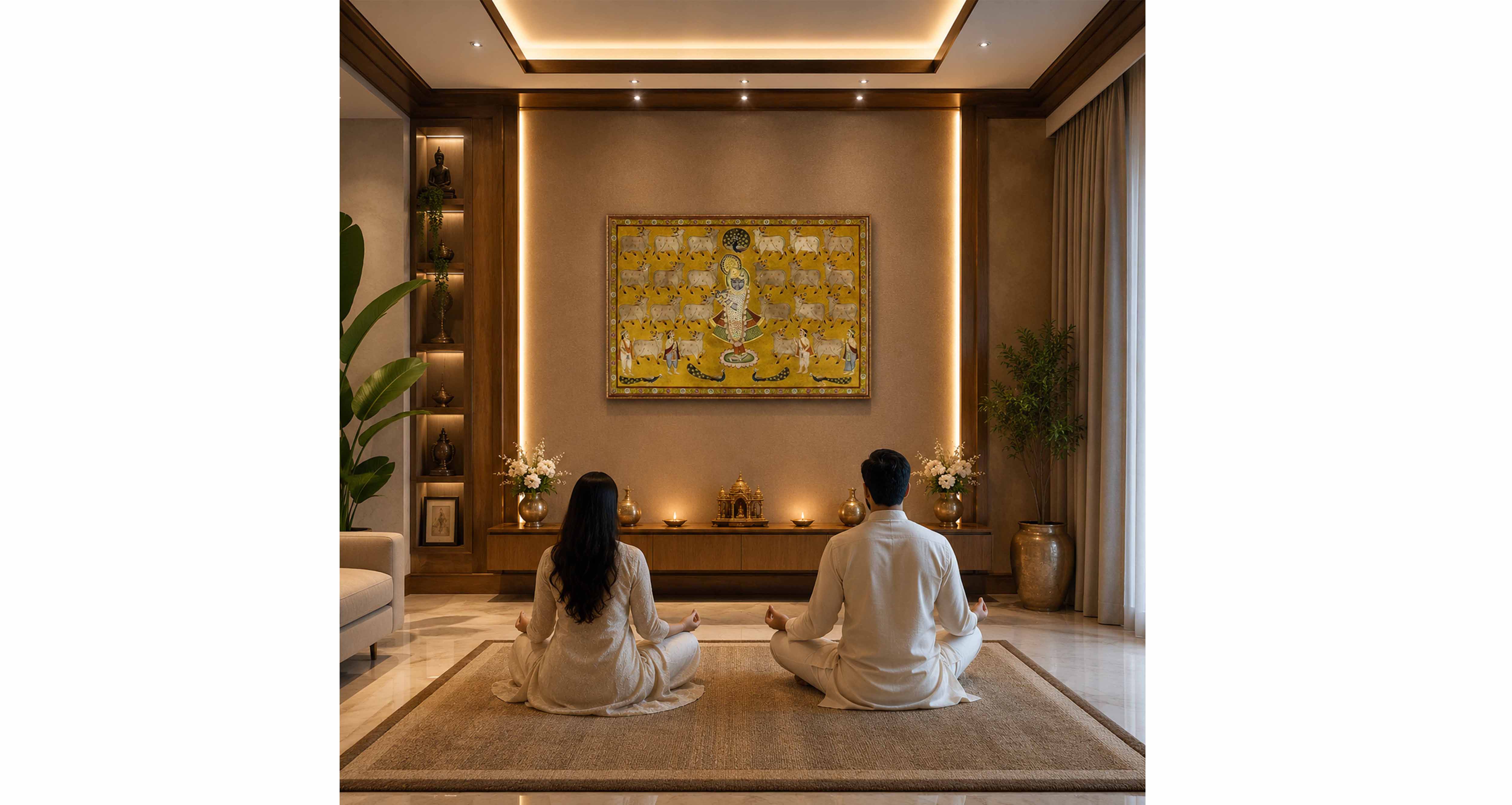
A home is more than a physical structure; it is an emotional environment that influences how people think, feel, and interact. Thoughtfully chosen spiritual home décor can transform ordinary interiors into spaces that reflect personal values, cultural heritage, and spiritual aspirations.
Many homeowners and collectors seek artworks that contribute not only beauty but also meaning. Sacred paintings create focal points that inspire reflection, encourage conversation, and establish a sense of harmony within the home.
When art carries spiritual significance, it often becomes a source of emotional grounding for everyone who encounters it.
The Timeless Appeal of Pichwai Painting
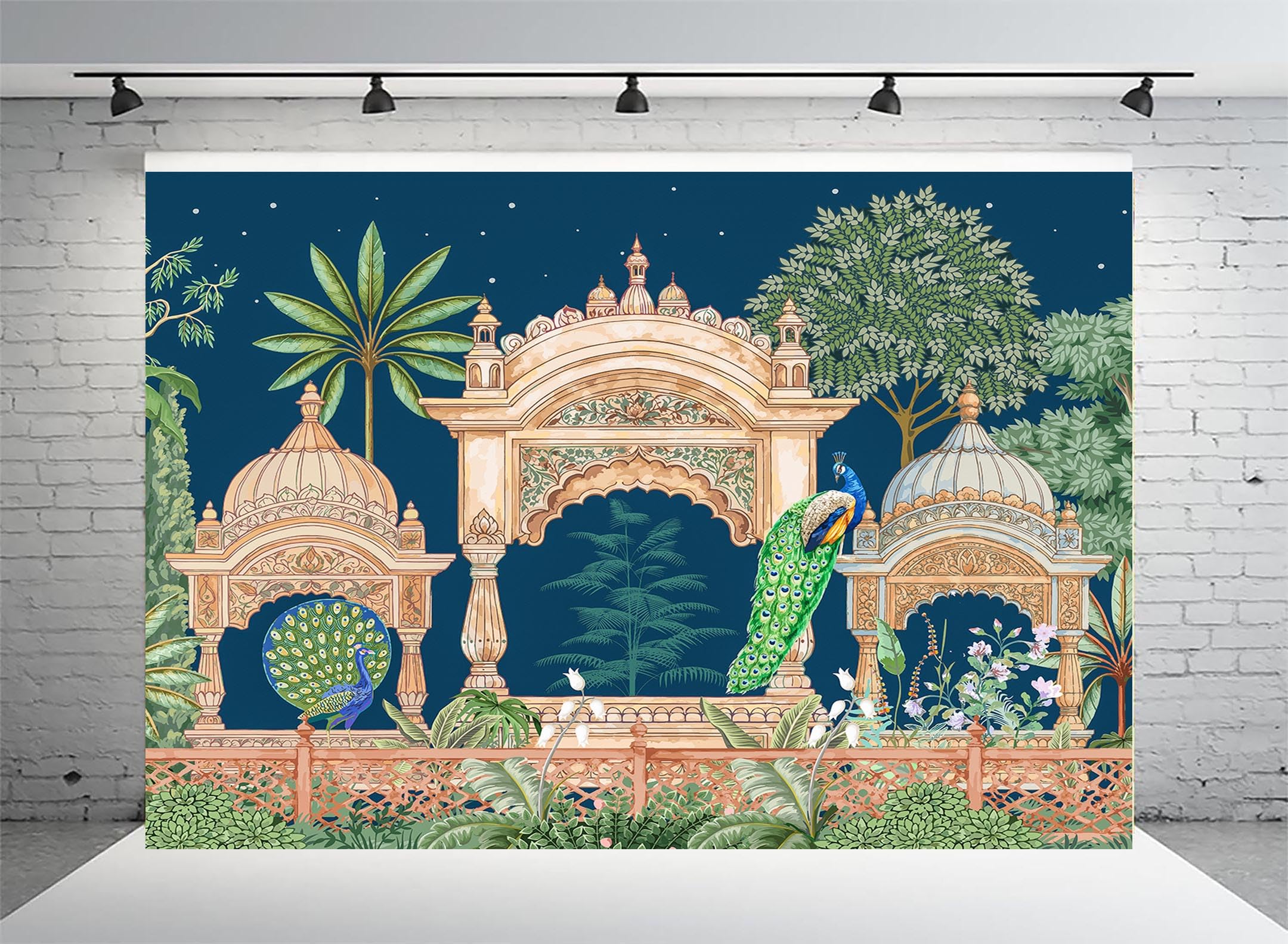
Among the world's great traditions of devotional art, Pichwai painting benefits extend beyond aesthetics. Originating in Nathdwara, Rajasthan, Pichwai paintings are celebrated for their intricate craftsmanship, spiritual symbolism, and deep connection to Lord Krishna.
These masterpieces often portray divine themes, lotus gardens, sacred cows, seasonal festivals, and moments of devotion. Every detail is designed to communicate beauty, reverence, and cultural richness.
Collectors around the world increasingly appreciate Pichwai paintings not only as fine art but also as meaningful works that bring a sense of sacred presence into modern interiors. Their timeless elegance bridges tradition and contemporary living, making them highly valued in global art collections.
A Universal Language Beyond Religion
One of the remarkable qualities of spiritual art is its universal appeal. While rooted in specific traditions, sacred imagery often communicates values that resonate with people from all backgrounds—peace, compassion, beauty, gratitude, and connection.
This universality allows spiritual artworks to transcend cultural boundaries. A viewer does not need to belong to a particular faith to appreciate the emotional depth and visual harmony expressed through devotional art.
As a result, spiritual art continues to find a place in homes, galleries, meditation spaces, wellness centers, and private collections around the world.
Conclusion
The true value of spiritual art extends far beyond decoration. Its presence can influence emotional well-being, encourage mindfulness, foster inner peace, and transform living spaces into environments of meaning and inspiration.
In a world that often feels hurried and fragmented, sacred imagery offers something increasingly rare—a moment of stillness, reflection, and connection. Whether through traditional Pichwai paintings or other forms of devotional art, spiritual creativity continues to enrich human experience across cultures and generations.
The psychological benefits of living with spiritual art remind us that beauty is not only something we see—it is also something we feel, remember, and carry within us every day. Thank you 🌵🌵
Arun Sharma
Pichwai Painting Artist
Contact- +91 72969 76088 (WhatsApp)